You prepare yourself. You follow a training schedule, pay attention to your diet, ensure you get enough rest, and leave nothing to chance. For achievements are not created on the day itself, but in everything that leads up to it.
Why would we approach that differently with our horses?
Whether you ride recreationally, compete, or simply want to keep your horse in top condition: nutrition remains one of the most important building blocks for health, well-being, and performance.
But it’s not just about what you feed. When you feed also makes a world of difference.
Horses are creatures of habit. They benefit from a fixed routine, smaller portions spread throughout the day, and regular feeding times without long interruptions. That ensures more peace, a more natural eating pattern, and better support for their well-being.
However, that regularity is not always a given. Work, competitions, busy days, or staff scheduling often make it difficult to feed at the same time every time.
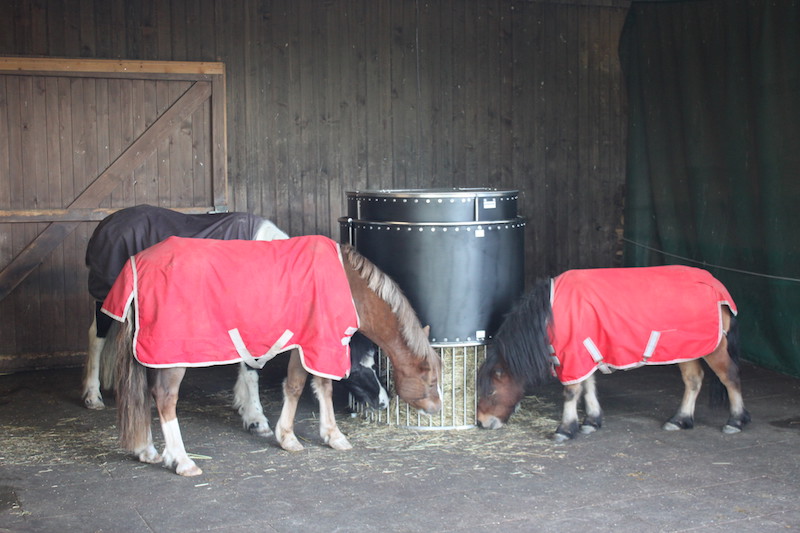
That is why Equipona developed automatic feeding systems that ensure your horse always receives its feed on time. Not when it suits the caregivers, but when it is best for your horse.
Because top performances don’t start on the track. They start with consistency. 🐴
Would you like to book an Equipona Feeding Efficiency Audit? Please email us at: info@equipona.com
Feed Smart, Ride Strong
#Equipona #HorseWelfare #HorseNutrition #AutomaticFeeding #EquineManagement #StableManagement